Build outfits with clearer visual balance
A beginner styling course for practicing color palettes, silhouettes, wardrobe edits, outfit formulas, and small image decisions using clothes you already own.

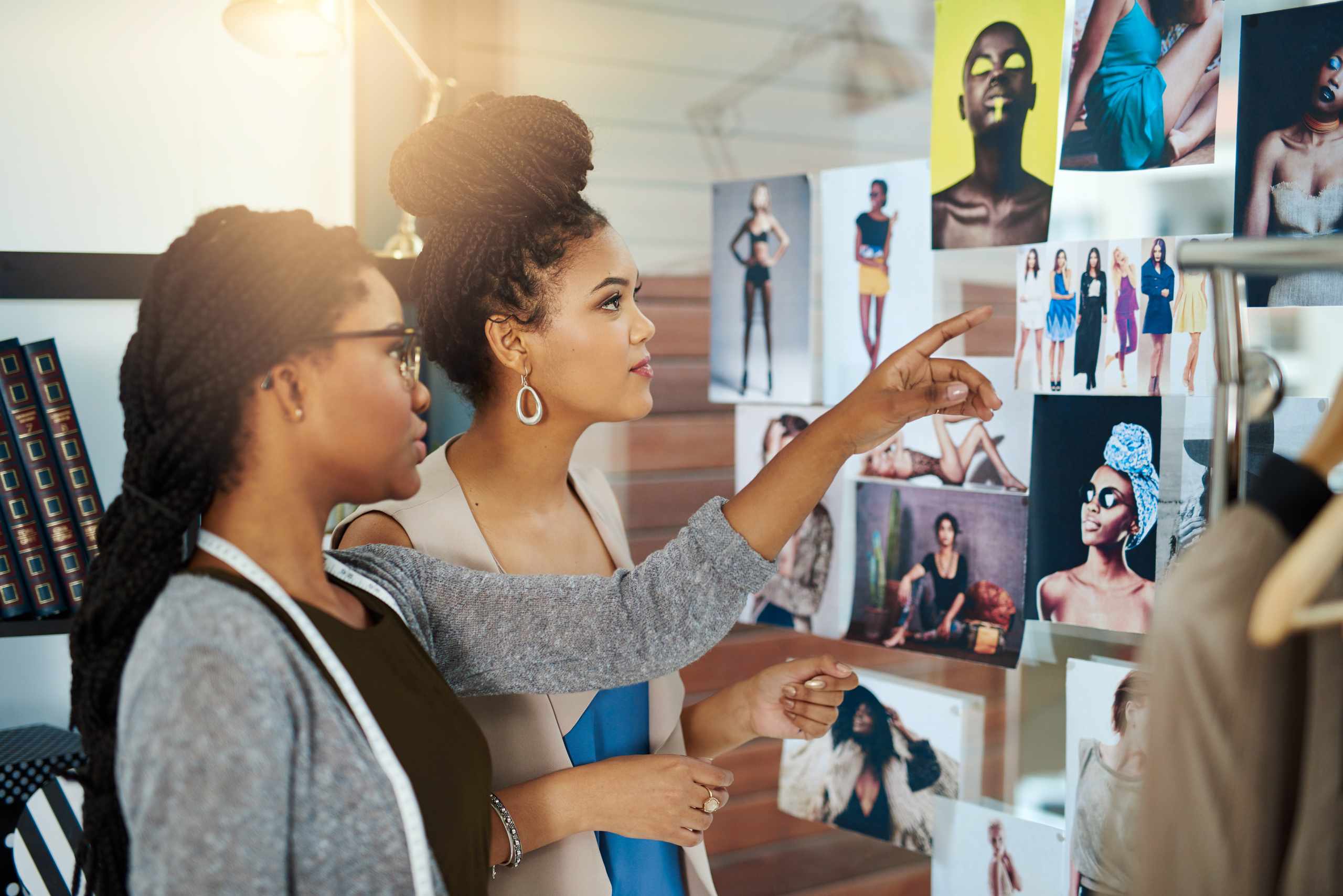
Style starts with seeing the whole look
Practice begins with simple outfit checks: color, proportion, texture, accessory scale, and whether each piece actually supports the look.
Every outfit gives useful clues
Learn to notice why a look feels flat, heavy, unfinished, or hard to repeat.
Work From Anchor Items
Build looks around one reliable piece, then adjust layers, shoes, and accessories to see how the mood changes.
Read Color And Contrast
Compare neutral bases, accent colors, undertones, and contrast so outfits feel intentional instead of randomly matched.
Check Shape And Fit
Use mirror and photo review to study silhouette, hemline, waistline, fabric weight, visual balance, and proportion shifts.
Small styling changes become easier to see
★★★★★
“The outfit photo checks helped me understand why some combinations looked heavy, even when each item was fine on its own.”

★★★★★
“Sorting my wardrobe into anchor pieces and difficult pieces made getting dressed feel less random and more practical.”

★★★★★
“I stopped adding accessories just to fill space. Now I check whether the bag, shoes, or jewelry actually supports the silhouette.”

A practical path through styling basics
Move from closet observation to outfit building, then use mirror checks, photos, and notes to make each decision clearer.
Wardrobe Edit
Separate easy anchors, difficult pieces, and missing connectors before deciding what needs attention.
Outfit Formula
Combine a base item, layer, shoes, and finishing detail into repeatable looks for real occasions.
Photo Review
Use saved outfit photos to compare proportion, contrast, accessory scale, and comfort after wearing.
Wondering where your style practice should begin?
Do I need a large wardrobe?
No. The course can begin with clothes you already own. A small wardrobe is often easier for practicing anchor items, connector pieces, outfit formulas, and color checks.
What should I prepare before starting?
A full-length mirror, phone camera, a few saved outfit photos, and a simple place to sort clothes are enough for early wardrobe and silhouette practice.
Will this tell me what to buy?
The focus is first on seeing what works, what feels difficult, and what connector pieces may be missing. Shopping decisions become calmer after the wardrobe edit.
What if I do not know my style yet?
That is a useful starting point. The course uses outfit notes, mood references, mirror checks, and small comparisons to help personal style direction become easier to name.